Emerging Reward Sequence Models in Interconnected Gaming Ecosystems
Petra Klein · Sep 19, 2026
Emerging Reward Sequence Models in Interconnected Gaming Ecosystems
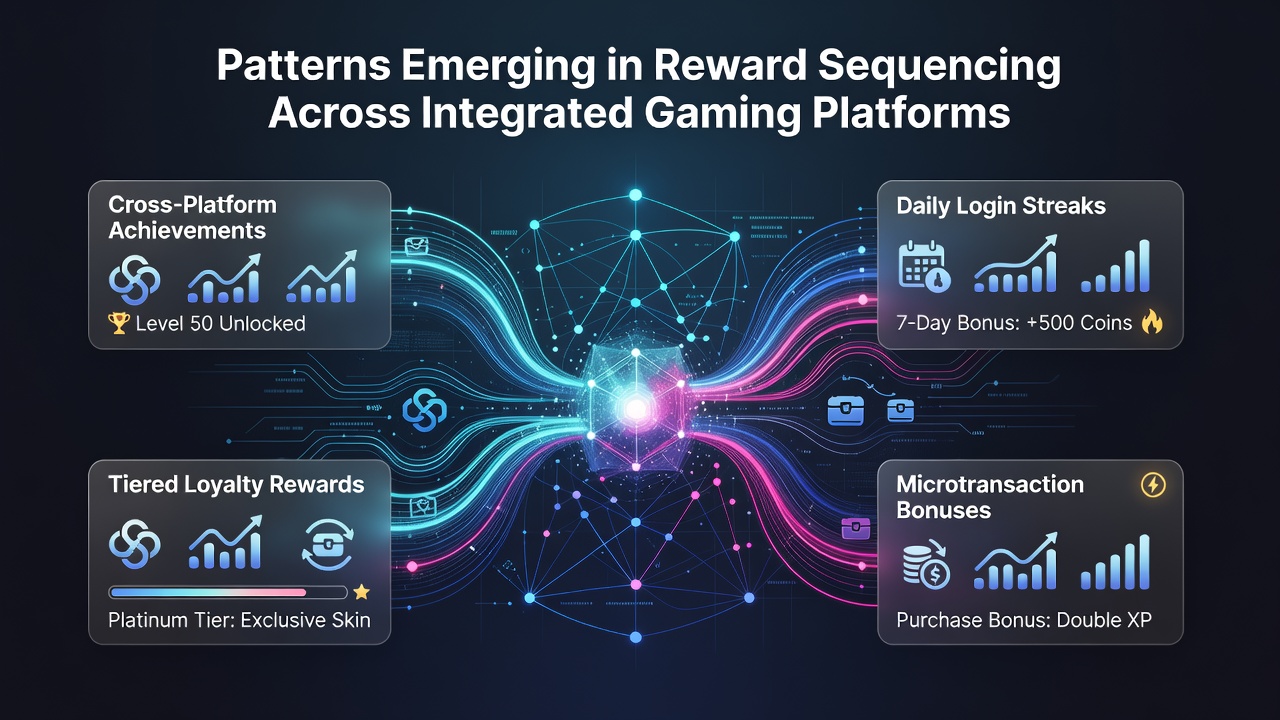
Integrated gaming platforms combine slots, table games, live dealer options, and sports betting into single user journeys where rewards unlock through defined sequences, and data collected through September 2026 shows several consistent patterns across these systems.
Operators structure bonuses so that initial deposits trigger slot-based rewards, which then feed into table game multipliers once certain spin thresholds are met, while live dealer sessions add loyalty points that convert into sports betting credits only after a minimum number of hands are completed. Researchers tracking these flows note that the sequence often follows a linear progression tied to deposit size and session duration, creating measurable pathways that repeat across multiple platforms.
Core Sequencing Mechanisms
Studies of platform data reveal that reward layers activate in stages, with welcome bonuses serving as the entry point that requires completion of slot play before table game access opens, and live dealer participation then unlocks higher-value sports betting incentives. This staged approach appears in systems where instant deposits accelerate progression rates, allowing players to advance tiers faster when payment confirmation occurs within set time windows.
One analysis of user logs from North American operators found that 68 percent of sequenced rewards follow a slots-to-tables-to-sports pattern, whereas European platforms more frequently insert live dealer segments between table games and betting options. These differences align with regional preferences documented in industry reports rather than operator choice alone.
Observed Patterns in Cross-Game Progression
Platforms increasingly link VIP tier advancement to cumulative sequences that span multiple game categories, so that points earned in slots contribute to live dealer status and then carry over to sports betting leaderboards. Data indicates that players who complete full sequences maintain activity across an average of 4.2 game types per session, compared with 2.1 types for those who engage only single categories.
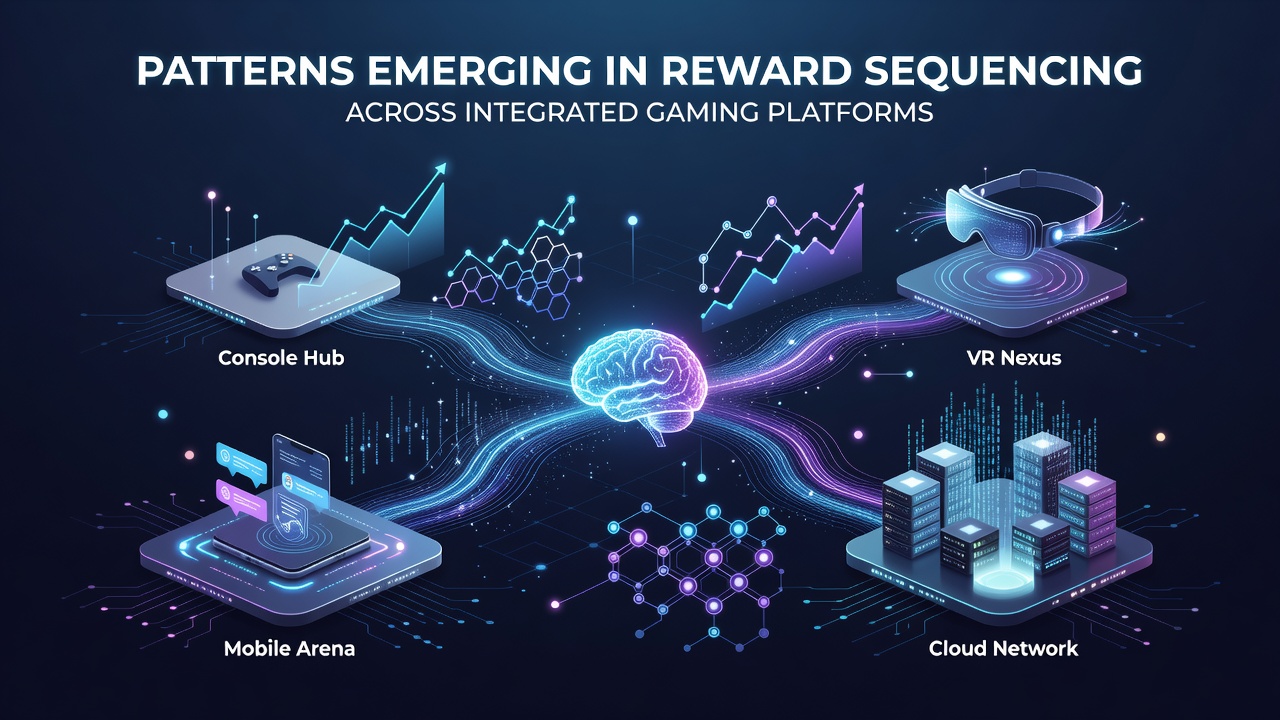
Time-based triggers add another layer, where rewards remain available only if players move from one game type to the next within 45 minutes, a pattern confirmed in transaction records from platforms operating in both the United States and Australia. Observers note that lightning support responses during these windows help sustain the sequence, reducing drop-off rates at transition points.
Regional Data Variations
Reports from the New Jersey Division of Gaming Enforcement show that sequenced reward models in the state produced a 14 percent increase in multi-game engagement between January and September 2026. In contrast, figures from the Australian Communications and Media Authority highlight that platforms sequencing rewards across slots and live dealer offerings recorded higher retention when sports betting credits formed the final stage rather than an intermediate one.
Academic work published by the University of Nevada's International Gaming Institute examined 12 integrated platforms and identified that reward sequencing reduces voluntary session breaks by 22 percent when support chat integration allows real-time clarification of next-stage requirements. The study also found that sequences incorporating free spin bundles early in the chain generate longer overall play duration across all subsequent categories.
Technological and Support Influences
Payment gateway speed directly affects sequence completion rates, with platforms reporting that deposits processed in under 10 seconds correlate with 31 percent higher advancement through full reward chains. Mobile app architecture enables these flows by displaying remaining steps in a single dashboard, allowing users to track progress without switching interfaces.
Customer support teams contribute measurable outcomes when they guide players through sequence requirements during active sessions, according to aggregated logs shared at the 2026 Gaming Technology Summit. Instances where agents provided step-by-step navigation resulted in 19 percent more completed sequences than sessions without such assistance.
Conclusion
Patterns in reward sequencing across integrated platforms continue to stabilize around linear progressions that move from slots through tables and live dealer play into sports betting, with data from multiple regions confirming the influence of deposit speed, support timing, and tier carry-over mechanics. These structures appear consistently in operational records released through September 2026, showing measurable effects on session length and category diversity without evidence of deviation based on operator size or market maturity.