App Navigation Patterns: How Transaction Speed and Assistance Availability Shape Transitions From Initial Offers to Tiered Access Across Game Formats and Wagering Options
Jonas Hansen · Oct 17, 2026
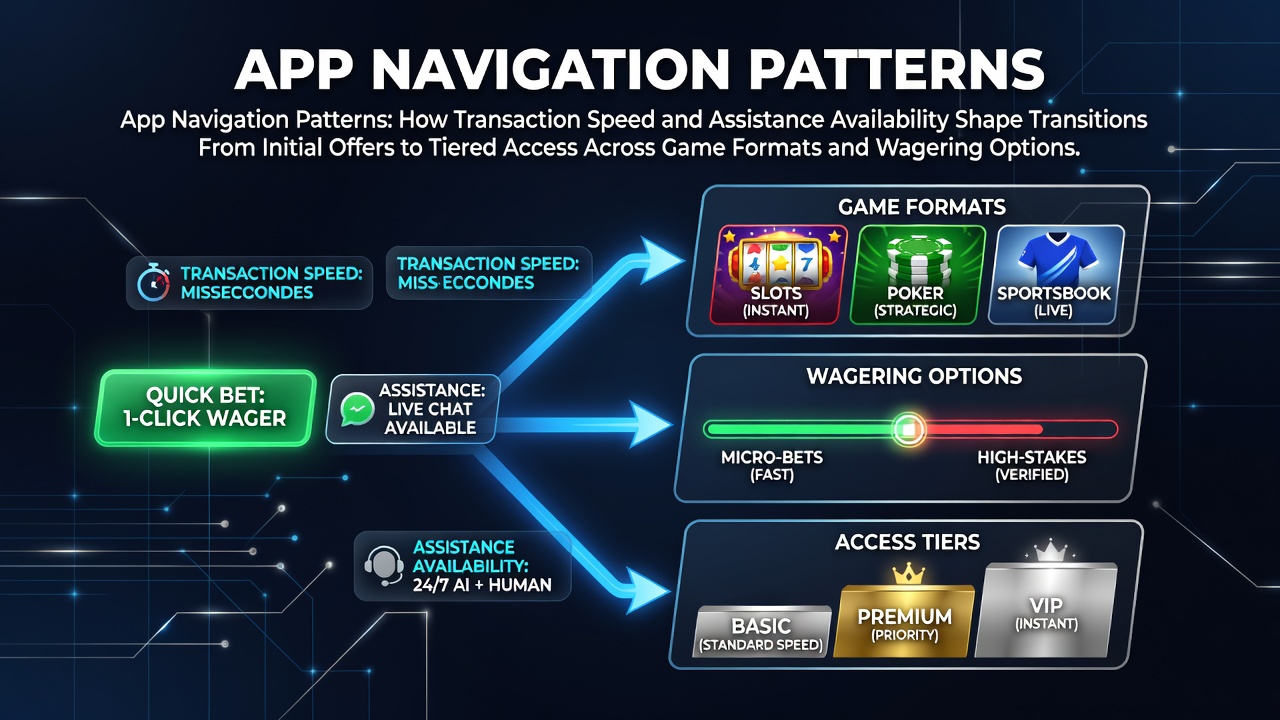
App Navigation Patterns: How Transaction Speed and Assistance Availability Shape Transitions From Initial Offers to Tiered Access Across Game Formats and Wagering Options
App navigation patterns in gaming platforms reveal clear connections between transaction processing times and the availability of assistance channels, with these elements guiding users from initial welcome offers toward higher-tier access levels across slots, table games, live dealer environments, and sports wagering sections. Observers note that platforms integrate payment gateways that complete deposits in seconds, allowing players to activate bonuses without extended waits, while support teams respond through in-app chat or dedicated lines to resolve navigation hurdles during early sessions.
Transaction Speed as a Core Driver in Early App Engagement
Data from industry reports indicates that platforms prioritizing sub-five-second deposit confirmations see higher completion rates for initial bonus claims, because users move directly into game selection menus rather than pausing at loading screens. Payment providers integrate with app architectures so that wallet balances update instantly, which in turn unlocks free spin allocations or matched deposit credits across multiple game formats simultaneously. Those who study user flow patterns find that delays beyond ten seconds correlate with higher abandonment rates at the bonus activation stage, prompting developers to streamline API connections and reduce intermediary verification steps.
Across wagering options, fast transactions support seamless shifts from slots to live dealer tables because users maintain momentum without re-entering payment details. Figures from regional gaming analyses show that apps employing instant gateways report increased session lengths once players clear the first offer layer and begin exploring tiered reward structures such as loyalty points or cashback multipliers. This pattern holds whether the activity involves fixed-odds sports bets or progressive jackpot slots, since the same balance update mechanism applies uniformly.
Assistance Availability and Its Influence on Tier Progression
Support response metrics demonstrate that platforms offering 24-hour chat assistance combined with ticket escalation see smoother transitions when users encounter questions about unlocking VIP levels. Agents guide players through menu paths that reveal progression requirements, such as wagering thresholds tied to specific game categories, and they confirm eligibility in real time. Research from academic institutions tracking mobile engagement highlights that prompt clarification on rules prevents users from stalling at lower tiers, particularly when assistance includes screen-sharing options or step-by-step overlays within the app itself.
One case examined by analysts involved an app that reduced average support wait times from four minutes to under thirty seconds, after which data showed accelerated movement from welcome packages into multi-level reward ladders. Players accessed higher cashback percentages and exclusive event invitations more quickly, because queries about game format eligibility received immediate resolution. Similar patterns appear in sports betting modules, where assistance teams explain how live odds adjustments interact with ongoing bonus terms, allowing uninterrupted navigation between markets.
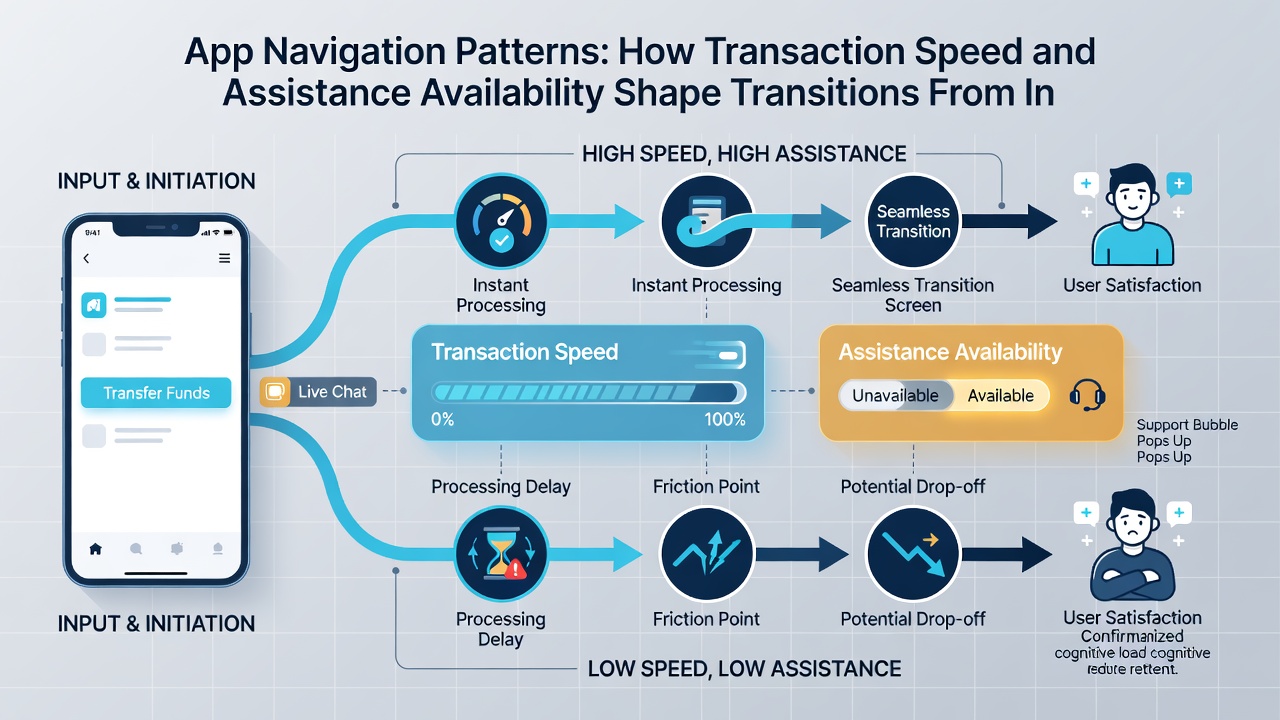
Cross-Format Navigation and Tiered Access Mechanics
App layouts typically organize content through tabbed or swipe-based interfaces that group slots, tables, live streams, and sports sections, yet transaction speed determines how readily users test offerings across these categories while meeting tier criteria. When deposits process immediately, players allocate funds to live dealer tables after completing slot-based bonus rounds without exiting the session. Assistance availability further supports this by providing format-specific guidance, such as explaining minimum bet requirements for table game contributions toward VIP points.
Industry organizations tracking digital gaming trends report that integrated navigation systems, paired with rapid support, produce measurable increases in multi-format participation rates. Users who receive quick answers about how sports wagers count toward tier advancement often extend sessions across additional categories, because the app interface updates progress bars in real time following each resolved transaction. This creates a continuous loop where initial offers feed directly into sustained tier climbing, regardless of whether activity centers on reel spins, card tables, or event-based betting.
Regulatory Context and Platform Adaptations Around October 2026
Upcoming policy adjustments scheduled for October 2026 in several jurisdictions prompt platforms to refine their transaction and support infrastructures ahead of new compliance benchmarks. Developers adjust payment verification layers to meet enhanced security standards while preserving speed, and they expand assistance staffing models to handle increased query volumes during peak periods. Those monitoring these shifts note that apps incorporating adaptive navigation elements, such as dynamic menus that highlight eligible games for tier progression, position themselves to maintain user flow even as requirements evolve.
Analyses from international gaming associations emphasize that preparation for these changes involves testing how transaction latency and support responsiveness interact under updated reporting rules. Platforms that maintain sub-second balance updates and instant chat routing demonstrate stronger retention across game formats, because users continue progressing through tiers without encountering friction points introduced by regulatory documentation requests.
Conclusion
Patterns observed across gaming apps illustrate that transaction speed and assistance availability function as interconnected factors shaping movement from entry-level offers to advanced access tiers. When deposits complete rapidly and support resolves issues promptly, users navigate slots, tables, live dealer options, and wagering markets with fewer interruptions, allowing consistent accumulation of tier benefits. Data continues to track these dynamics as platforms adapt interfaces and service models to evolving operational requirements.